
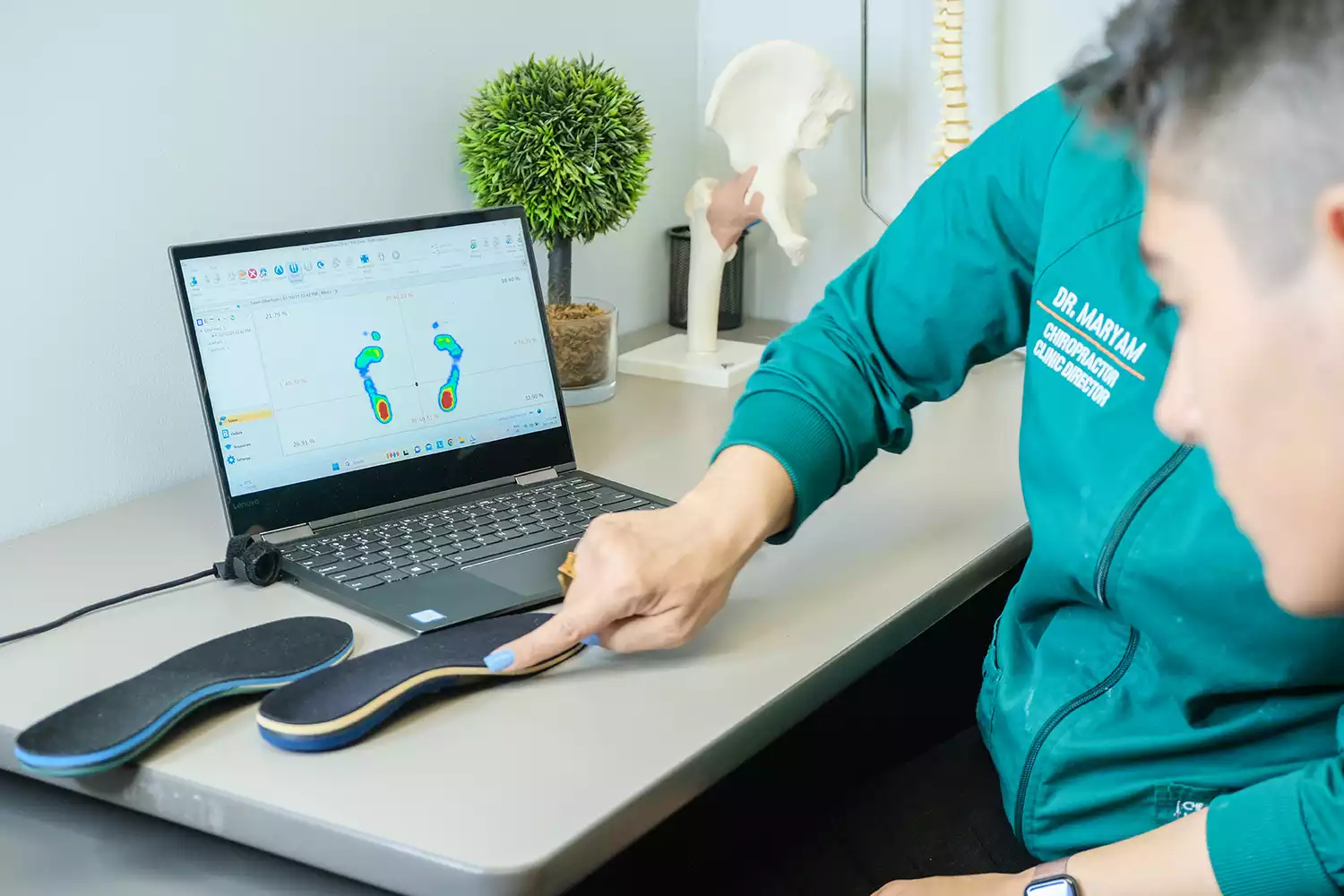
Considering gait analysis in Ottawa in 2026? A gait assessment looks at how you walk or run and can help a clinician understand a movement concern in the context of your symptoms and goals. The exact assessment depends on the clinic and may include observation, questions about your history, and a review of footwear or mobility aids.
Updated September 2026: We clarified what an assessment can and cannot tell you, added practical preparation advice, and removed promises of a guaranteed result. A gait analysis supports clinical decision-making; it does not, by itself, diagnose every cause of pain or prove that a particular treatment will work.
Preparation varies by provider. The Royal National Orthopaedic Hospital’s gait assessment guidance suggests bringing your usual footwear and orthotics.
The findings are one part of an assessment. They do not guarantee pain relief, injury prevention, or improved athletic performance.
Gait analysis looks at how someone walks or runs. A clinician may assess movement alongside the person’s symptoms and history. Ottawa providers mentioned in this guide include Back to Health Wellness Centre and SoleFit, with other options in Kanata and Stittsville. Ask what the assessment includes before booking.
A gait assessment can help explain a walking or running concern and give a clinician more information for a care plan. Its findings may guide exercises or referrals, but they do not guarantee better balance, strength, or injury prevention.
A clinic may begin by asking about your symptoms and watching you walk or run. Some use slow-motion video to look at foot strike and balance. A physiotherapist or pedorthist may then discuss the findings and develop a plan suited to your concerns.
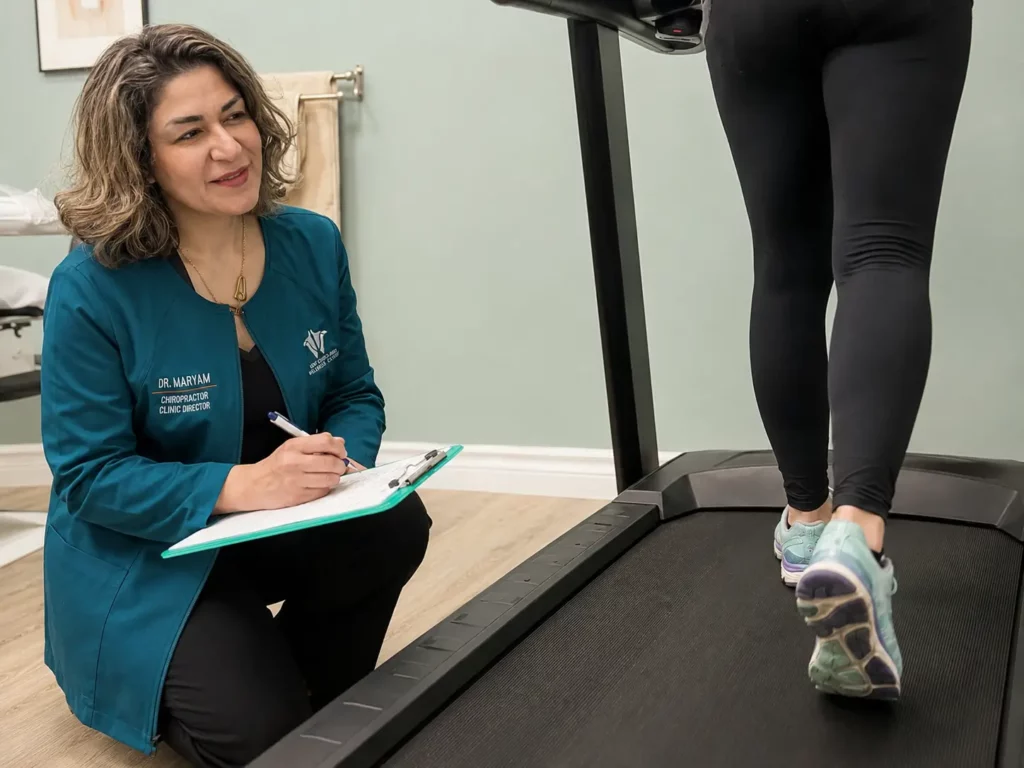
For someone with ongoing pain, observing how they move may help a physiotherapist decide what to examine next. Gait analysis alone does not identify every source of pain or promise relief. Any treatment plan should reflect your history and examination.
Runners and other athletes may use a gait assessment to understand how they move. The findings can inform training or rehabilitation advice, but performance gains and injury prevention are not guaranteed.
For a foot or knee concern, a physiotherapist may combine gait findings with an examination to plan exercises, drills, or other treatment. The assessment can help focus the discussion; recovery depends on the underlying issue and the person’s circumstances.
A running assessment may look at foot motion, step, and stride. A physiotherapist can discuss patterns that matter for your symptoms or goals and suggest changes worth trying.
Walking and running place demands on the feet and knees. A clinician may recommend changes to technique when they are relevant to an injury, but changing a gait pattern does not guarantee treatment or prevent future injuries.
An assessment may lead to individualized drills or exercises. Whether those changes help athletic performance depends on the athlete, their training, and the reason for the assessment.
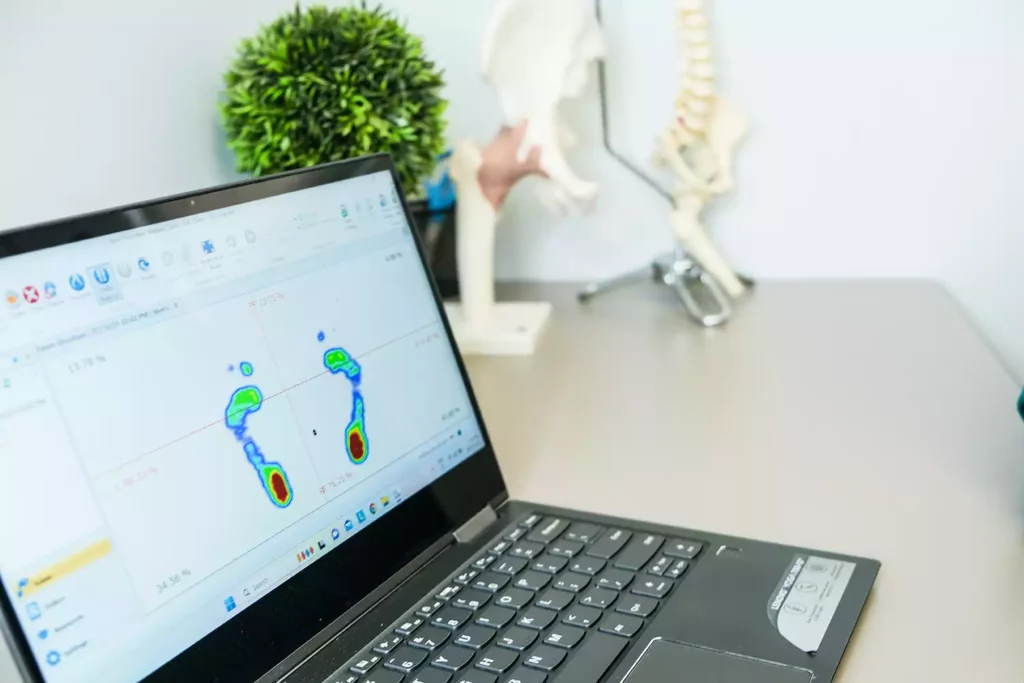
Bring the shoes and orthotics you normally use. A clinician may look at fit and discuss whether footwear or custom orthotics are relevant to your symptoms and movement.
Footwear can be part of a gait assessment. The clinician may consider fit, structure, stability, and sole type alongside how you walk or run. Ask whether you should bring the shoes you use most often.
Different shoes can change how walking or running feels. If footwear seems relevant, a clinician can discuss options based on your movement, symptoms, and comfort. A recommendation alone cannot guarantee injury prevention.
Compare Ottawa providers by location, services, and the training of the clinician who performs the assessment. Ask what the visit includes, which tests are used, and what results you will receive.
For your first appointment, wear comfortable clothes and bring the shoes you use most often. Tell the clinic about any orthotics or mobility aids, and ask if there is anything else you should prepare.
Have questions about a gait assessment in Ottawa? Contact Kent Chiro-Med to ask what the visit includes and whether it fits your concerns. You can book an appointment through the link below.
At a first gait assessment, the clinician may ask about your symptoms and goals, observe you walking or running, and review footwear or mobility aids. The tests used and the advice you receive depend on the provider and your situation. Ask in advance how to prepare and what kind of summary or follow-up you will receive.
Seek individualized medical advice for new or worsening symptoms. A gait assessment is one tool to support a clinical evaluation, not a guaranteed treatment.
Our clinicians can discuss movement concerns and whether a gait assessment may be useful.
