


Most Gentle Chiropractor in Ottawa: What Gentle Chiropractic Care Should Feel Like

A calm, no-pressure look at gentle care for anyone who feels nervous about seeing a chiropractor.

Most Gentle Chiropractor in Ottawa 1

Maybe your back or neck hurts. You want help. But the thought of someone twisting or cracking your body makes you tense up. If that sounds like you, you are not alone. Many people put off care because they feel nervous, not because they don't need it.

At Kent Chiro-Med, we hear this worry every week. So let's talk about what gentle care really means, what your first visit can look like, and why two of our chiropractors are known for their calm, patient-paced way of working.

TL;DR
  • Gentle care means we listen and assess before we treat anything.
  • You never have to get your neck cracked — gentler options are always on the table.
  • You can ask questions, slow things down, or stop at any time.
  • Dr. Courtney and Dr. Maryam are known for calm, patient-paced care.
  • You can book a no-pressure first visit at our downtown Ottawa clinic.
Gentle care

What does a "gentle chiropractor" really mean?

When people search for the most gentle chiropractor in Ottawa, they often picture soft hands and no cracking. That is part of it. But gentle care is about more than pressure.

Gentle care starts with listening. It means we ask about your pain, your story, and your comfort level before we touch anything. It means we explain each step and check in as we go. And it means you can ask questions, or stop, at any time.

  • We listen first, before any treatment
  • We assess how you move and where it hurts
  • We explain your options in plain words
  • We respect your comfort level the whole time
  • We use only as much pressure as the moment needs
The most gentle chiropractor is the one who listens first, checks carefully, explains your choices, and builds care around you — not the one who uses the same move on every patient.
Your options

Do gentle chiropractors still do adjustments?

Yes, sometimes. An adjustment can help when it fits your body and your comfort. But it is only one tool in the toolbox. When an adjustment is not the right fit, we reach for gentler options instead. These are all part of our chiropractic care in Ottawa.

A range of gentle options

Most of our tools sit on the lighter side. An adjustment is only one choice, not the only choice.

Lighter touchFirmer touch
Soft tissue
Acupuncture
Mobilization
Adjustment

Explore your gentle options

Tap an option to see what it feels like.

Not sure which option fits you? You can share your worries and your goals when you book a first visit, and we will plan around them together.

Your worries

What if I'm nervous about neck cracking?

This is the worry we hear most. Here is the simple truth: you never have to get your neck cracked to see us. If you don't want neck work, we won't do it. We talk first, and we only do what you are okay with.

About that "cracking" sound

Those popping sounds often come from gas releasing inside a joint, a bit like cracking your knuckles. They are usually not painful. Still, if the idea makes you tense, that is a good reason to choose a gentler path.

One gentler path is mobilization. The U.S. National Center for Complementary and Integrative Health explains the difference well: an adjustment uses a quick, controlled push, while mobilization moves the joint slowly within its normal range, with no quick push, so you keep more control.

Adjustment vs. mobilization, side by side
 AdjustmentMobilization
SpeedA quick, controlled pushSlow and steady
That popping soundOften, but not alwaysUsually none
Your controlYou can still say stopYou stay in control throughout
Good forSome joint and mobility issuesNervous or pain-limited patients
Nervous about your first visit?
Tell us before you arrive. We will go at your pace, skip anything you're not ready for, and explain every step.
Dr. Maryam Hassanzadeh
D.C
Chiropractor
Your first visit

What happens during your first visit?

A first visit should feel like a conversation, not a rush. Here is how we usually work through it.

  1. We talk. You share your pain, your history, and your worries.
  2. We assess. We check how you move and find the tender spots.
  3. We explain. We tell you what we found, in plain words.
  4. We plan together. We pick options that match your comfort level.
  5. We may start care. If you're in a lot of pain and you're okay with it, we may begin gentle treatment the same day.

It helps to bring comfortable clothing, a list of any medicines you take, and any doctor reports or scan results you have. That way we get the full picture on day one.

Our chiropractors

Meet two of our most gentle chiropractors

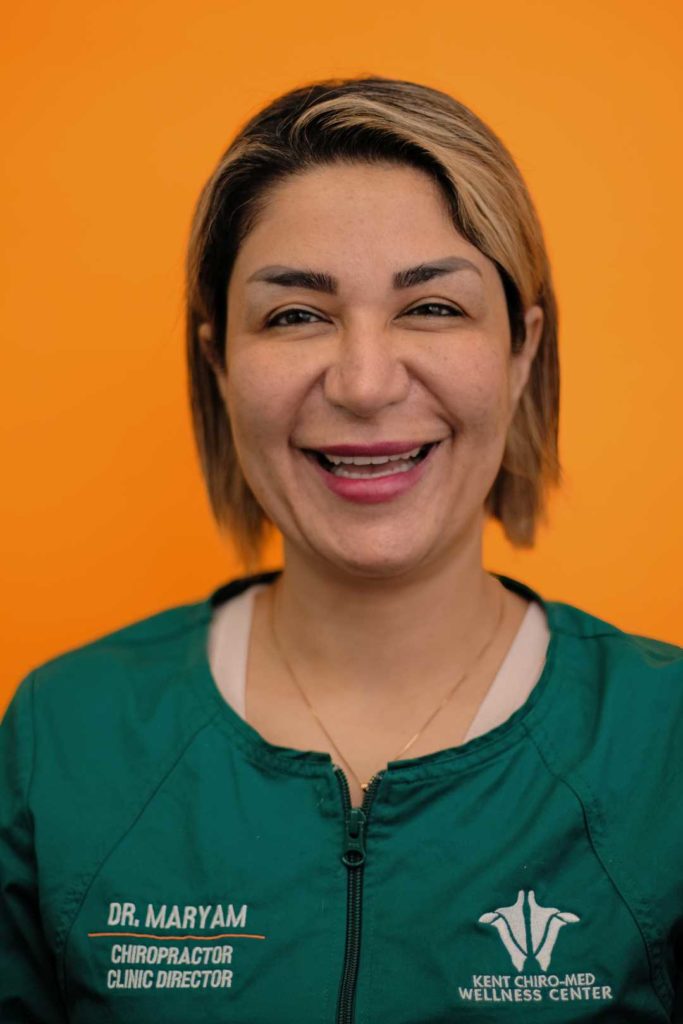
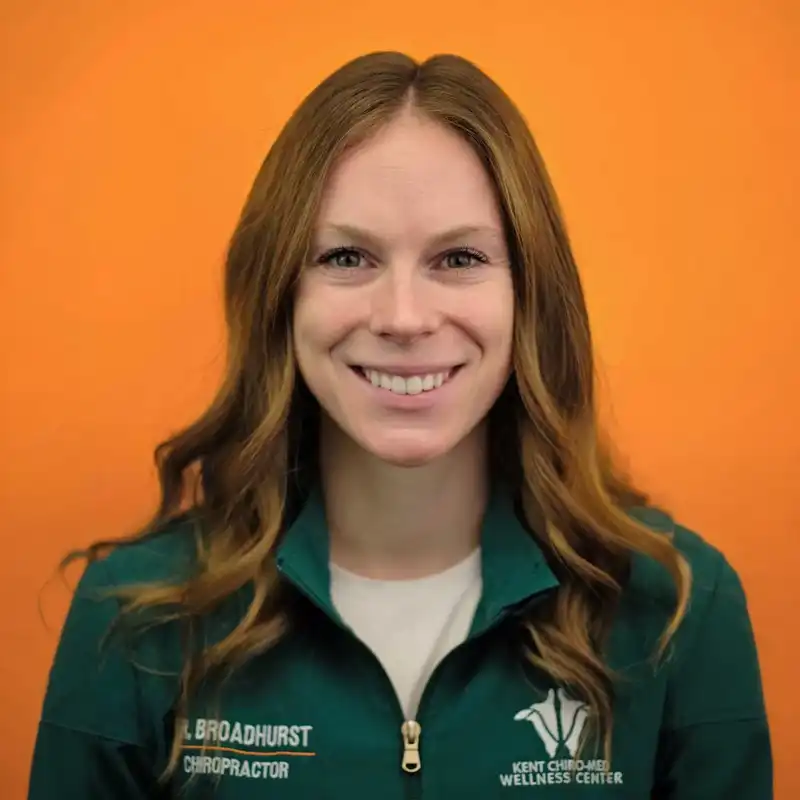
We're proud to say that Dr. Courtney and Dr. Maryam are two of the most gentle chiropractors many of our patients have ever met. Both lead with kindness and take the time to listen.

Dr Maryam Hassanzadeh portrait Kent Chiro Med Wellness Clinic 1 1

Dr. Maryam Hassanzadeh

a.k.a Mama Bear

Our Clinical Director, Dr. Maryam, earned the nickname “Mama Bear” for a reason. She is warm, patient, and protective of the people in her care. She often works with older adults, pregnancy-related pain, headaches, and anyone who feels anxious about treatment. She takes her time and explains everything as she goes.

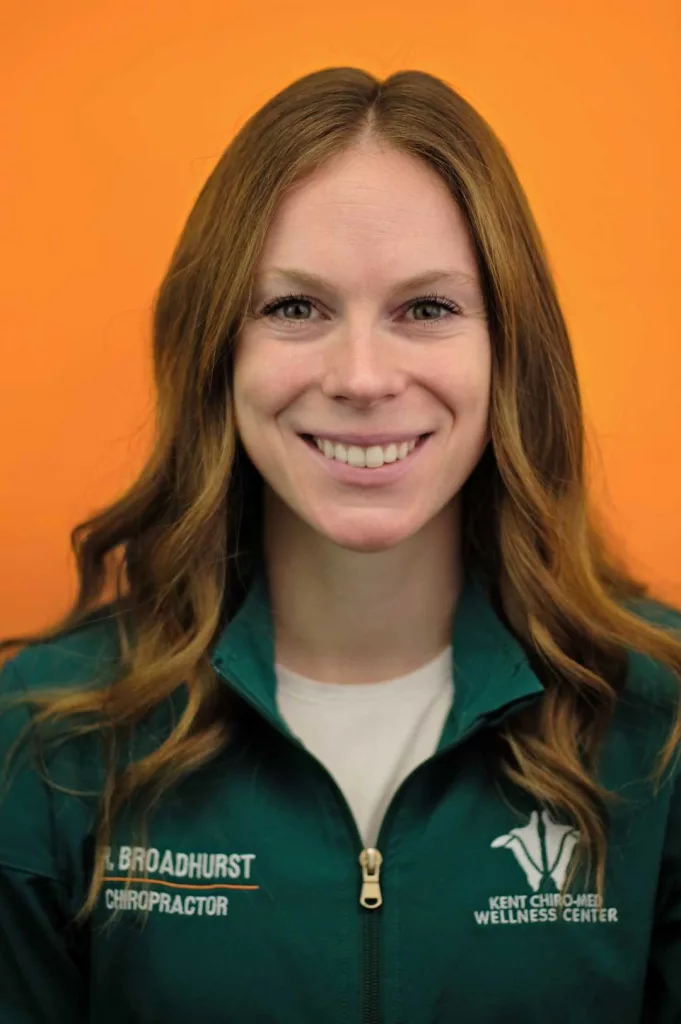
Dr. Courtney Broadhurst

Dr. Courtney Broadhurst

a.k.a Sporty Spice

A former competitive athlete, Dr. Courtney knows what it feels like to be in pain and still want to move. She looks for the root cause, gives unhurried first assessments, and keeps her care gentle. She helps with lower back, neck, foot, and hip pain, plus the stiffness that comes from long days at a desk.

Active care

Gentle care is not the same as passive care

Gentle does not mean we do nothing. Good gentle care also helps you move better between visits. Research supports this. In a large 2024 study, people who followed a simple walking and education plan went longer before their back pain returned than people who did not.

So alongside hands-on care, we may show you easy movements, better desk habits, and small changes to how you sit and sleep. If your pain flares up from long hours at a screen, reach out and we can build a plan around your day, not someone else's.
A person taking a gentle walk to support back recovery and long-term movement
Gentle care often includes easy movement you can keep doing at home.
Want care that respects your comfort and your goals?
We listen first, explain your options, and never push you past what feels right.
Dr. Courtney Broadhurst
D.C
Chiropractor
Choosing well

How to choose a gentle chiropractor in Ottawa

Use this short checklist at any clinic, not just ours. A gentle chiropractor should be able to say yes to most of these.

0 of 8 checked
Why us

Why Kent Chiro-Med fits nervous patients

We built our clinic around comfort and trust. We are clinician-owned, which means the people who treat you also run the place and put patients first. Here is what that looks like day to day.

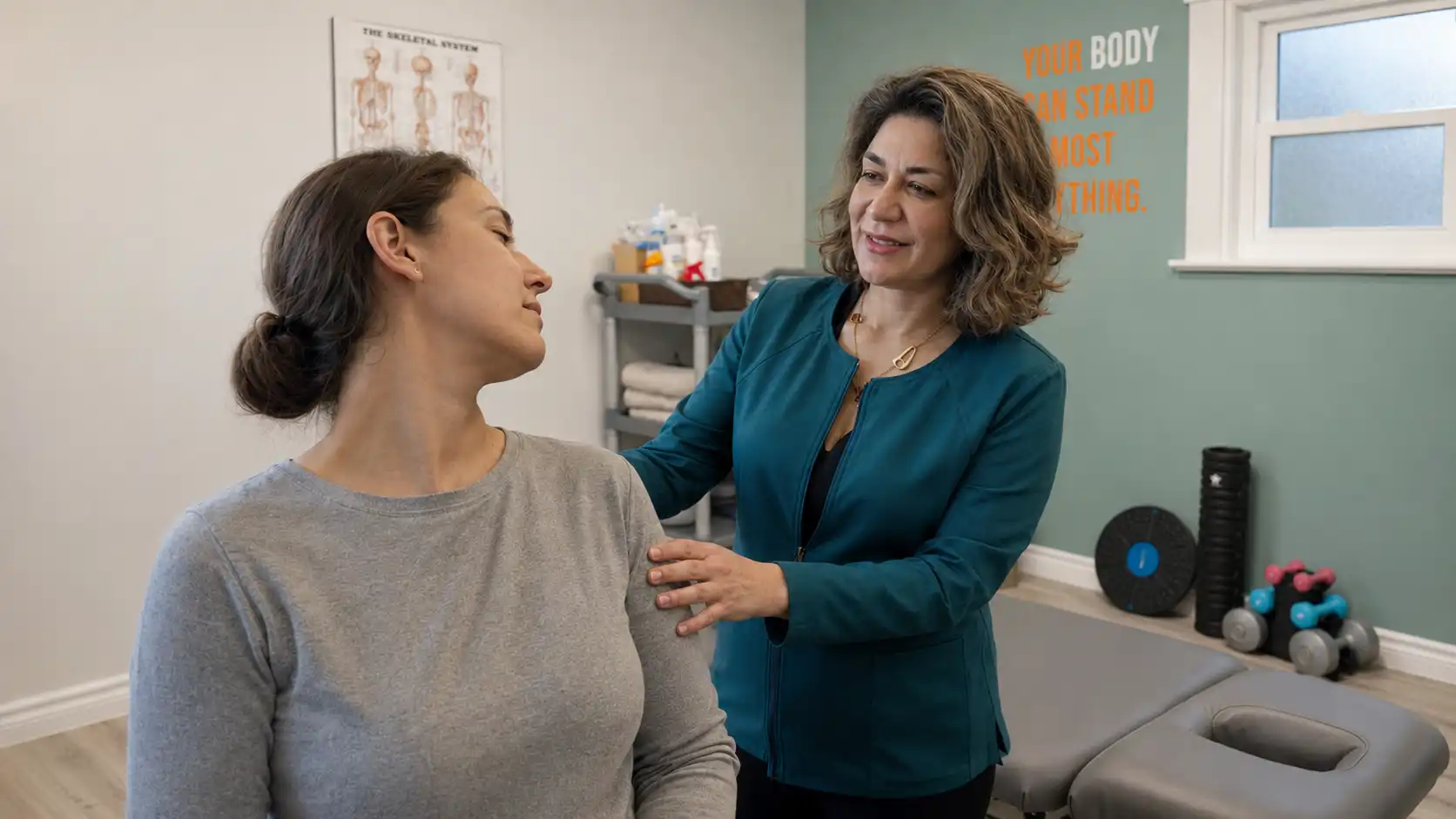
The Kent Chiro-Med chiropractic team at the downtown Ottawa clinic
Care happens in private rooms, one-on-one, at our downtown Ottawa clinic.
  • Private treatment rooms, not an open gym floor
  • A full 30 minutes one-on-one with your practitioner
  • Chiropractic and physiotherapy under one roof
  • Many gentle options: mobilization, acupuncture, soft tissue work, and rehab
  • An all-female practitioner team available on request

Our patients have left hundreds of five-star Google reviews, and many of them mention how calm and unhurried their visits felt. You can find us downtown at 563 Gladstone Ave, with free parking right nearby.

FAQS

Yes — neck manipulation is optional, not required. A chiropractor can treat your neck using lower-force methods that involve no quick thrust and no popping. Common alternatives are joint mobilization (slow movement within the joint’s natural range), soft tissue therapy, and stretching or exercise-based care. At Kent Chiro-Med, you can decline neck work at any point, and care is planned around what feels comfortable for you.
There is no single “gentlest” technique — the most comfortable option depends on your body, your condition, and your preferences. In general, the lowest-force approaches include joint mobilization, soft tissue (muscle) therapy, and instrument- or drop-table–assisted methods that avoid a manual thrust. What tends to matter more than the technique itself is that care begins with an assessment and a conversation about your comfort, rather than one routine applied to every patient.
Most people feel little to no pain during an adjustment, and many notice easier movement afterward. Some feel mild, short-lived soreness, similar to how muscles can feel after exercise. Pain or sharp discomfort is usually a signal that the pressure or technique should change, so telling your chiropractor right away lets them adjust their approach on the spot.
Say that you feel nervous, directly — it genuinely helps your chiropractor shape the visit. It also helps to share what worries you most (for example, neck work or popping sounds), any past experiences that went badly, and which movements make your pain worse. With that information, a careful clinician will slow down, explain each step, and stay within what you feel ready for.

Yes — you can pause or stop at any time, for any reason. Consent can be withdrawn even mid-session, and a chiropractor should respect that immediately and adjust the plan. Simple phrases like “let’s pause” or “I’m not comfortable with that” are enough, and you never need to explain yourself.

It can be, but severe or sudden pain should start with an assessment, not immediate treatment. The chiropractor reviews your history and symptoms to understand what may be irritated, check for signs that need a medical referral, and decide which movements to avoid. For intense pain, lower-force options are often used first, and if certain warning signs are present, you may be referred to a physician.

It depends on your goals — and the two often overlap. Chiropractors commonly focus on joint and spine care with hands-on adjustments or mobilization, while physiotherapists often emphasize rehabilitation, strengthening, and movement retraining. Many people benefit from both. Where both work under one roof, like at Kent Chiro-Med, you don’t have to choose alone: your starting point is decided during the assessment, and the two teams can coordinate care.

Share on Social Media:
Table of Contents
Picture of Maryam Hassanzadeh
Maryam Hassanzadeh

Chiropractor

Ready to feel like yourself again?